Treatments
Find out our treatments
Physio – Qi Gong
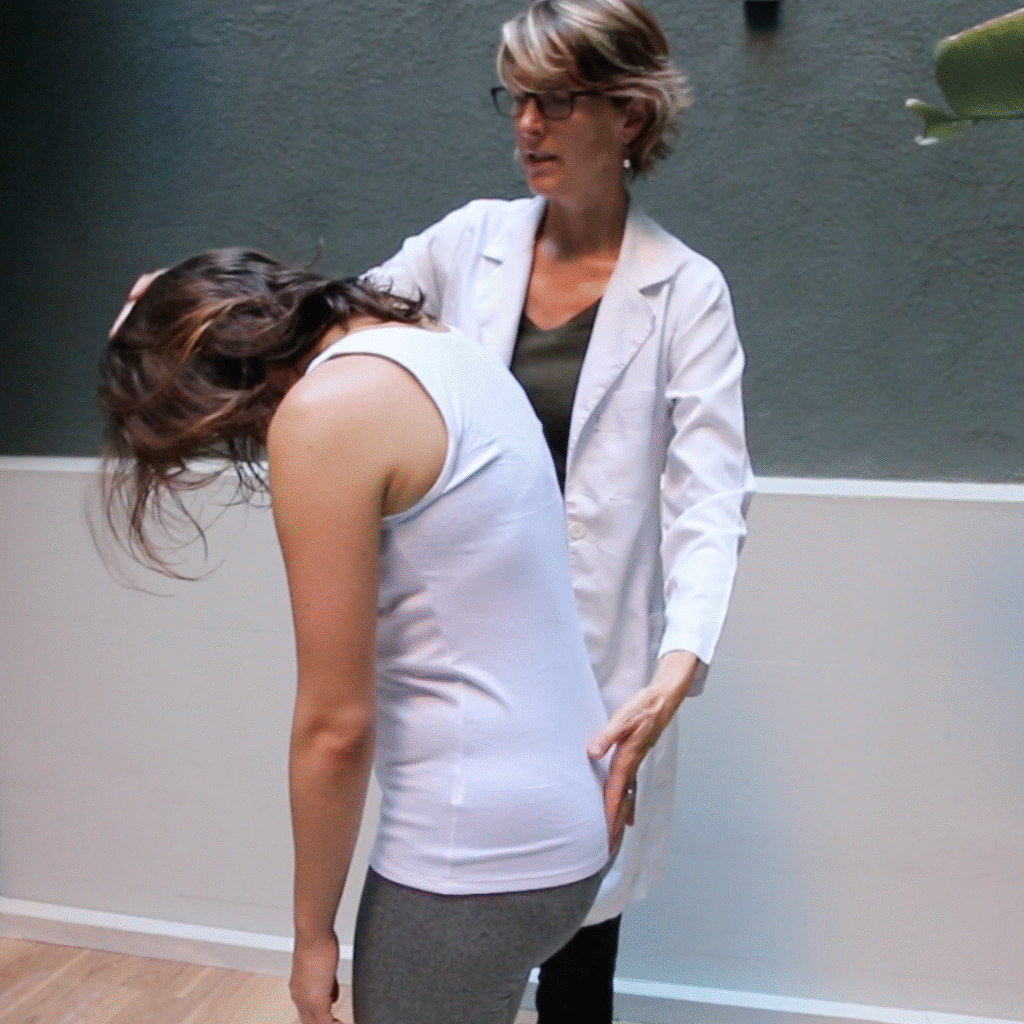
Physio – Qi Gong is a practice that combines Western physiotherapy exercises with the ancient Chinese medicine exercises system for deep healing.
This combination is very effective because by unblocking the meridians (energy channels) where Qi/ Life Force circulates, the entire musculoskeletal system is nourished and invigorated by this ‘fuel,’ allowing strength, firmness and elasticity to be acquired more easily. This vigour flows from the internal organs to the periphery (arms and legs) and vice versa which also conduce the body to be more integrated.
This methodology treats both localised and systemic problems in the body and produces:
- Openness and Flexibility: Through gentle movements, it aims to release physical tension and promote flexibility in the joints and muscles.
- Deep Abdominal Breathing: releases diaphragmatic restrictions, which helps to oxygenate the body, unblock the viscera, calm the nervous system and move Qi.
- Focus of the Mind (Yi): Intention and concentration guide the Qi to where it is needed, dissolving blockages and strengthening specific areas.
- Calm and Relaxation: Essential for allowing Qi to flow freely and reducing stress.
- Correct Posture: Helps align the body, strengthens joints and facilitates posture.
Acupuncture
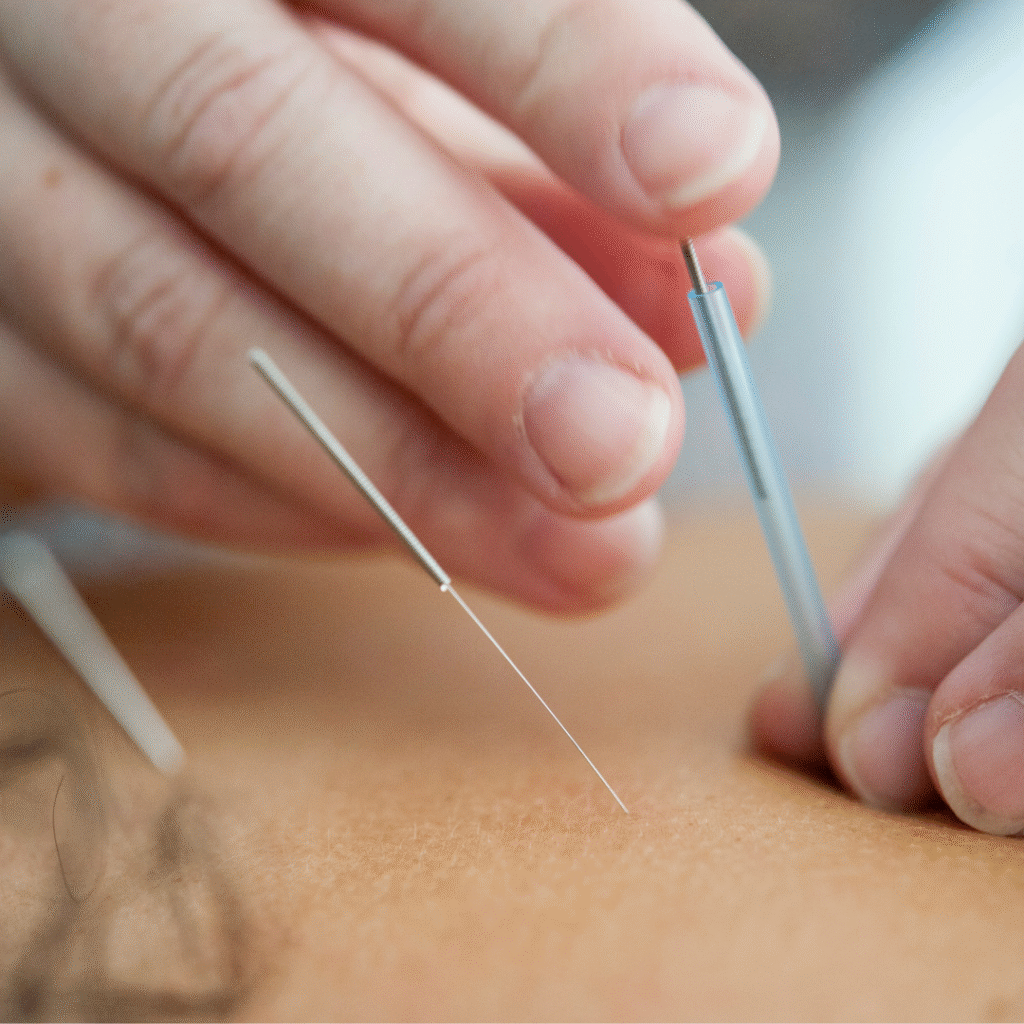
Acupuncture is an ancient practice from Eastern medical traditions and is currently being widely incorporated into integrative and complementary treatment in Western medicine.
It is a technique that transcends the simple insertion of needles into specific points on the body, which are located on the meridians (channels) where vital energy or Qi can be accessed and modulated so that its flow enters into complete harmony, promoting homeostasis.
Scientific studies suggest that acupuncture can influence the release of neurotransmitters, modulating the neural pathways related to pain and inflammation, contributing to the tissue revitalisation and promotion of well-being and quality of life.
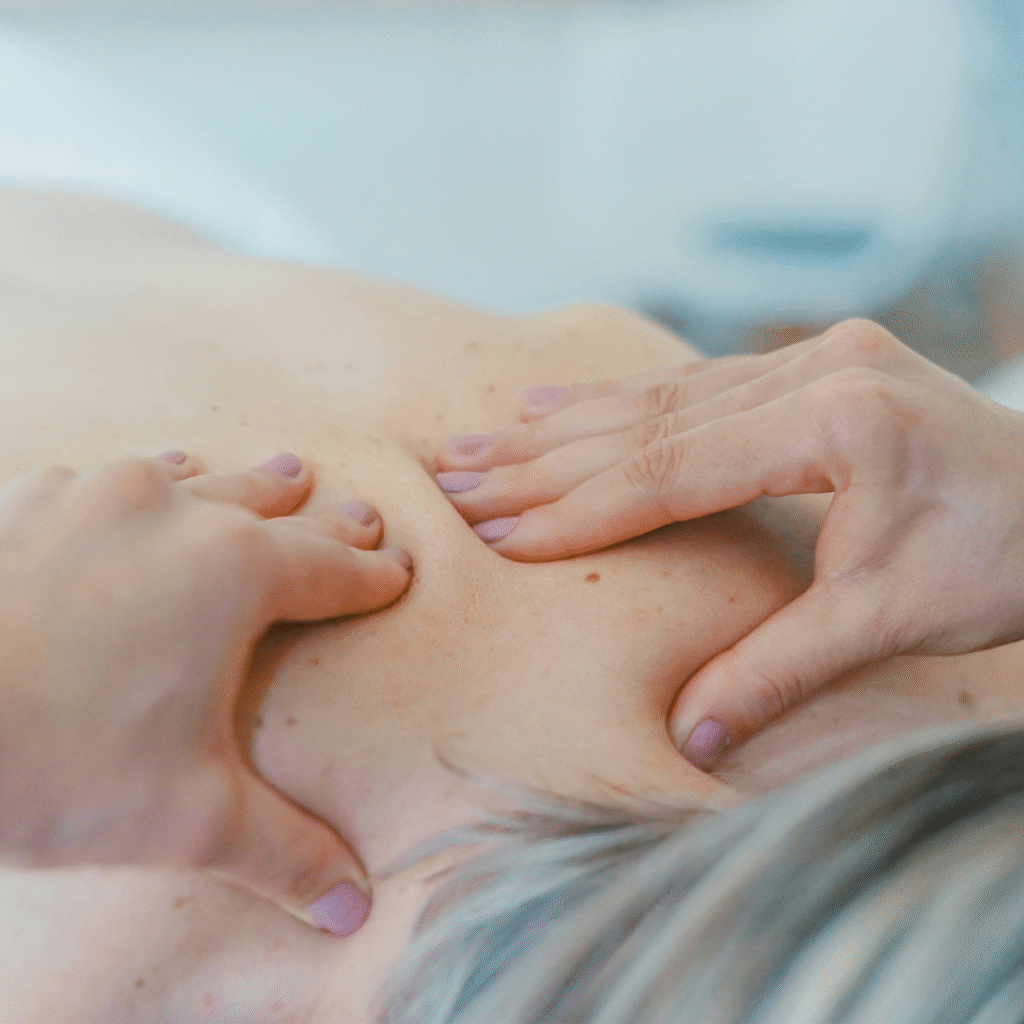
Myofascial Release
Myofascial Release is a manual and body therapy technique that focuses on releasing restriction and tension in the body’s fascial system.
Fascia is a connective tissue that surrounds and connects muscles, bones, organs, and nerves. It functions as a three-dimensional web that binds everything together, ensuring the cohesion and harmonious movement of the body.
Modern studies suggest that the body’s fascia serves as a plausible anatomical substrate for the energy channels described in Chinese medicine, explaining why both therapies: myofascial release and acupuncture can generate systemic effects and promote well-being by influencing both the physical structure and energy flow of the body.
The technique acts on the autonomic nervous system, promoting relaxation, elasticity and joint mobility, as well as reducing muscle tension, pain and general stress.
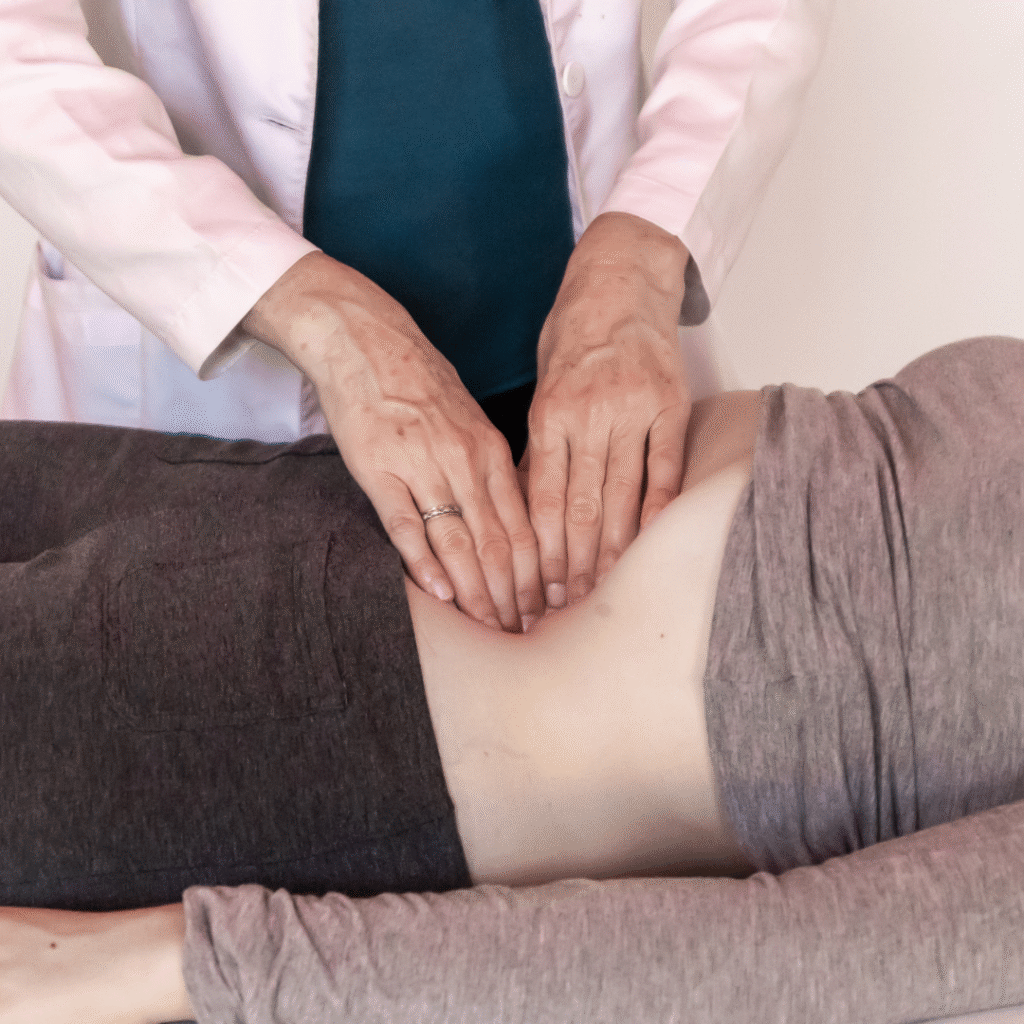
Abdominal Massage/ Chi Nei Tzang
Chinese Medicine believes the navel area (the hara in Japanese tradition) to be the “control center” of the body’s vital life force (Chi or Qi). Modern science now recognises the enteric nervous system in the gut, which functions somewhat independently and is often called the “second brain,” influencing mood, immunity, and overall health.
Chi Nei Tzang is an ancient healing practice that literally translates to “internal organ Qi transformation” or “the art of working the internal organs’ energy.”
It’s believed that physical tension and unprocessed emotions often accumulate in the abdomen and can manifest as physical problems (headaches, back pain, tendonitis, insomnia, period pain, fluid retention, systemic health problems. and a host of other symptoms).
Chi Nei Tzang clears these blockages, allowing Qi to flow freely. Through this massage, the technique first optimises the function of the diaphragm and improves blood and lymphatic circulation. It stimulates the functioning of all organs, releasing stagnant energy that, in a sense, should no longer be present in the body/mind.
It improves the functioning of all body systems—digestive, circulatory, lymphatic, respiratory, endocrine, and reproductive—as well as promotes emotional and spiritual well-being.
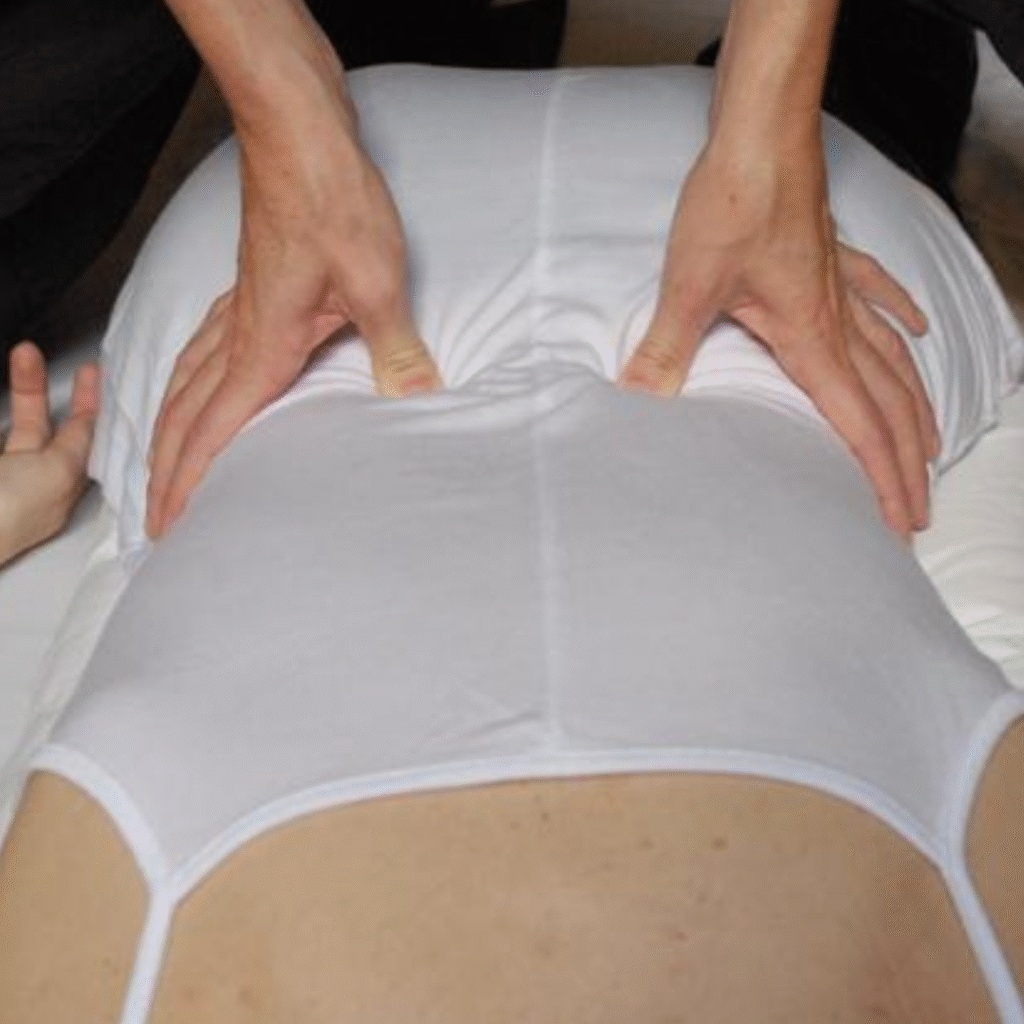
Acupressure
Acupressure is an ancient therapeutic technique, also known as Shiatsu, derived from Eastern medicine and uses manual pressure on specific points of the body (the same points used in acupuncture).
These points are strategically located along the channels/meridians and, when stimulated, aim to release tension, relieve pain and restore the body’s energy balance.
This application of pressure on specific acupressure points, with the receiver fully clothed, has a positive effect on the nervous system, promotes the release of endorphins (the body’s natural painkillers) and improves blood and lymphatic circulation.
I use my thumbs, fingers, palms, elbows and knees to apply sustained, comfortable pressure to specific points (acupoints or tsubo along meridians) while the patient lays down wearing comfortable clothing.
In addition to pressure, I often incorporate gentle stretches, joint pulling/pumping, and rocking movements to release tension, improve flexibility, and encourage the flow of Qi.
The application of pressure and stretches is often performed in a rhythmic, flowing sequence that feels deeply relaxing which regenerate the body’s healing power.
By unblocking the energy channels, acupressure allows the body to activate its own healing and self-regulating mechanisms promoting calm and well-being.
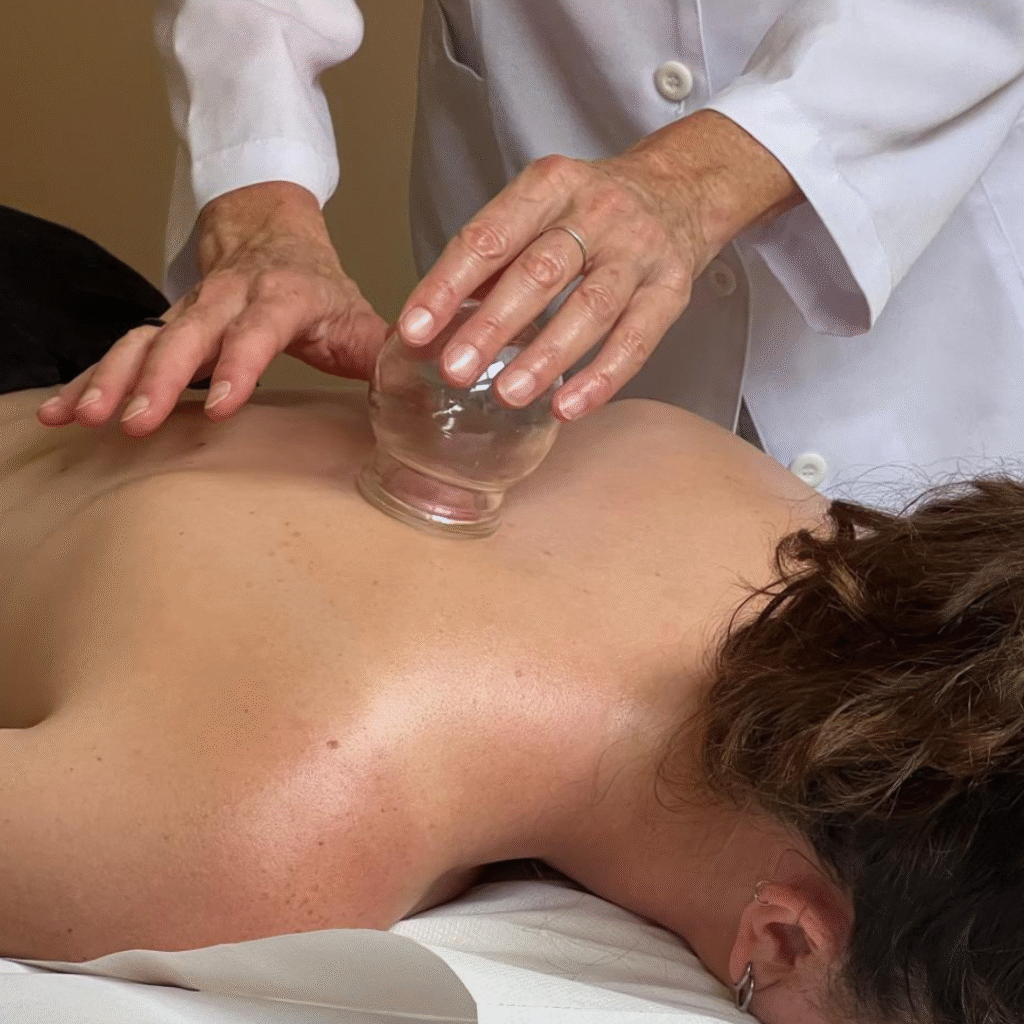
Cupping:
‘Cupping’ refers to an ancient therapeutic technique with roots in traditional Chinese, Egyptian and other ancient cultures.
It consists of applying cups (cupping glasses or plastic) to the skin, creating a vacuum or suction. This suction pulls the skin and soft tissues into the cup, which can have various therapeutic effects:
- Pain relief: Especially muscle and back, neck and shoulder pain.
- Muscle relaxation: Helps release tension and muscle knots.
- Improved blood circulation: Suction promotes blood flow to the treated area.
- Reduced inflammation.
- Detoxification: Believed to help remove toxins from the body.
- Improved respiratory function: In cases of lung congestion or asthma.
- General well-being and stress reduction.
PS: Purple or red marks are expected and result from pulling blood vessels to the surface, but should not be painful or last long.
Moxibustion
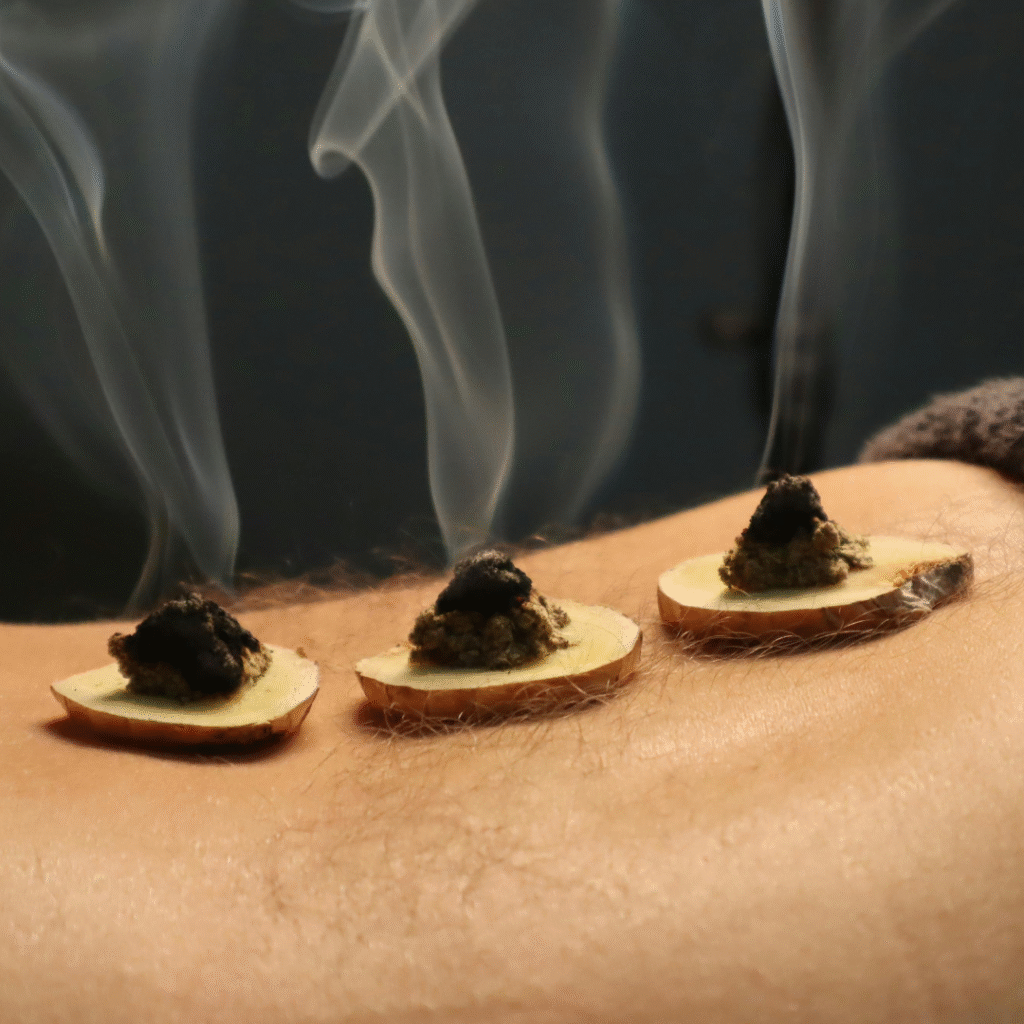
Moxibustion is a therapeutic technique used in Traditional Chinese Medicine that involves burning a medicinal herb called mugwort near or on the skin at specific points on the body.
The main purpose of moxibustion is to warm the meridians and acupuncture points to stimulate the flow of Qi (vital energy) and blood, remove blockages and strengthen bodily functions.
I use moxibustion to:
- Relieve pain: Especially chronic pain, joint pain, arthritis, and muscle pain that worsens with cold or dampness.
- Improve circulation: Promotes the flow of Qi and blood by warming the body.
- Deficiency and cold conditions: it is used to treat conditions characterised by deficiency of Qi, blood or the presence of cold in the body (e.g. chronic fatigue, digestive problems, sensitivity to cold).
- Digestive disorders: Helps in cases of diarrhoea, constipation, abdominal pain and bloating.
- Gynaecological problems: It can be used for menstrual irregularities, cramps and to help turn foetuses in breech presentation (although this should be done under strict medical supervision).
- Strengthen the immune system: It is believed to tone Qi and Yang, increasing resistance to disease.
- Reduce fatigue and increase vitality.

Psycho Energetic Coaching
Holistic Physiotherapy views lifestyle as a cornerstone of health, disease prevention, and longevity. It’s not just about treating illness, but about cultivating a balanced and harmonious way of living that supports the body’s natural healing abilities and adapts to environmental changes. The core idea is to live in harmony with nature and align one’s daily habits with the flow of Qi (vital energy), Blood, Yin, and Yang.
The key lifestyle recommendations that I cover in the treatment are:
- Exercise and Movement (Yun Dong – 运动)
- Sleep and Rest (Xiu Xi – 休息)
- Emotional and Mental Well-being (Qing Zhi Tiao Jie – 情志调节)
- Seasonal Living (Shun Ying Si Shi – 顺应四时)
- Sexual Activity (Fang Shi – 房事)
- Dietary Therapy (Shi Liao – 食疗)
- Environmental Factors (Huan Jing – 环境)
Once evaluating of the patient’s state of health is done, when necessary, suggestions on lifestyle adjustments are made in order to optimise the treatment and reach centreness and therefore quality of life.
Breathwork
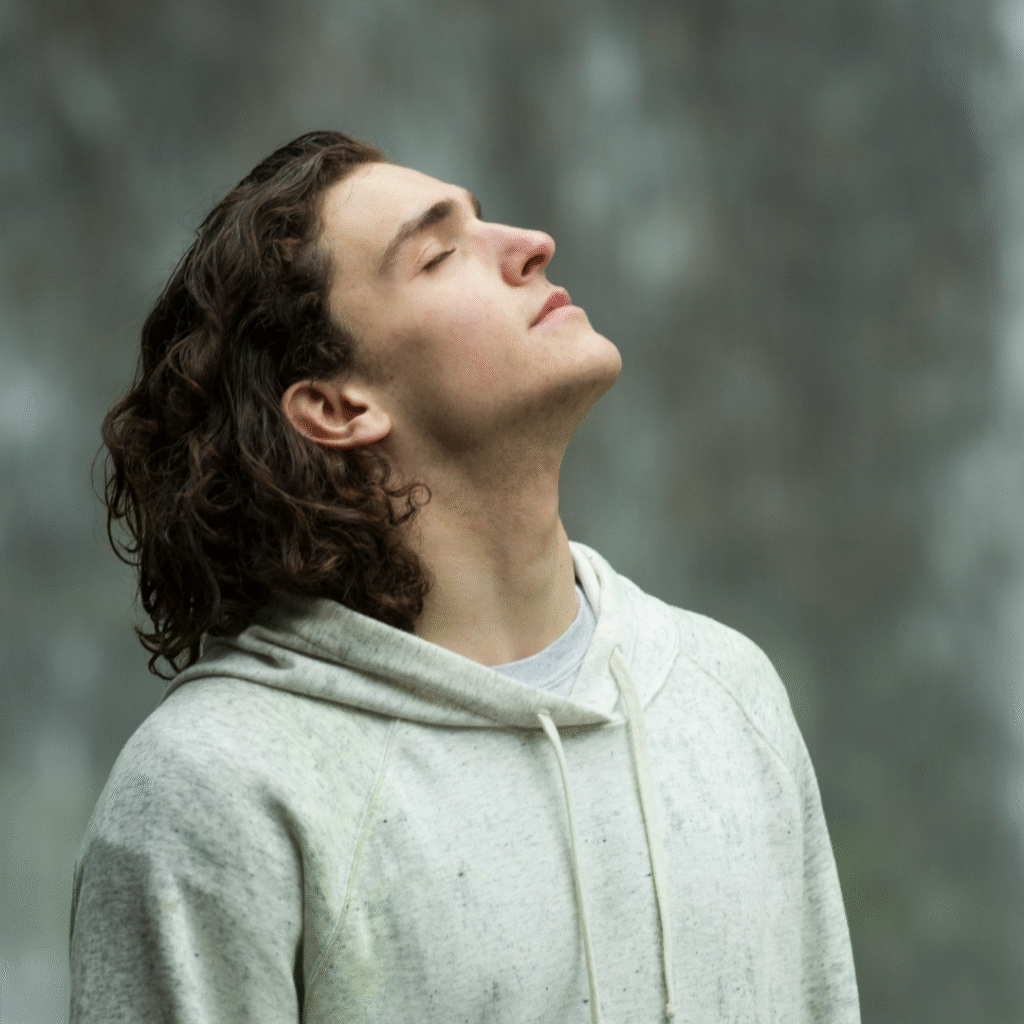
Traditional Chinese Medicine (TCM) Breathing methods are ancient medical practices considered precursors to Qigong and Tai Chi Chuan.
Their core principle is to consciously regulate the breath to influence the flow of Qi and Blood throughout the body, harmonize the internal organs, and calm the mind (Shen).
The practice involves specific body postures, movements, but the breathing exercises go far beyond simply moving air in and out of the lungs; they are exercises designed for for cultivating, circulating, and refining Qi (life force energy) and Jing (essence) to promote health, longevity, and spiritual development.
Depending on the patient/ student needs and state of health, during the treatment or training, I will choose and guide, step by step, one or more of the breathing techniques listed bellow:
1. Abdominal (Dantian) Breathing (腹式呼吸 – Fùshì Hūxī)
This is the foundational and most commonly taught Taoist breathing method. It emphasizes breathing with the diaphragm, directing Qi to the Dantian (丹田), the energy center located a few inches below the navel, which is considered the body’s energetic reservoir and cultivation center.
- Normal Abdominal Breathing (順腹式呼吸 – Shùn Fùshì Hūxī): Calms the nervous system, massages internal organs, improves digestion, strengthens the Dantian, accumulates Qi, and prepares the body for more advanced practices. It reconnects breath with the deep abdominal core.
- Reverse Abdominal Breathing (逆腹式呼吸 – Nì Fùshì Hūxī): More forceful and dynamic, used to generate internal pressure and guide Qi more powerfully. It’s often used in internal martial arts and more advanced Qigong for consolidating internal energy and driving it through specific pathways. It requires careful practice and is usually taught after mastering normal abdominal breathing.
2. Embryonic Breathing (胎息 – Tāixī)
This is a more advanced and subtle form, aiming to simulate the deep, effortless breathing of a fetus in the womb, where the breath is so fine it’s almost imperceptible.
Purpose: To achieve profound states of calm and stillness, to deeply nourish the internal organs, and to awaken the body’s innate healing capacities. It conserves energy and vital essence, contributing to longevity. It’s considered a key step in internal alchemy.
3.Turtle Breathing (龜息 – Guīxī) / Tortoise Breathing
Named after the longevity and slow, deep breathing of turtles, this technique focuses on extremely slow, long, and deep breaths.
Purpose: To cultivate extreme calm, promote longevity, reduce metabolic rate, and conserve vital energy. It is believed to allow the body to enter deep restorative states.
4. Clearing Breathing (行氣 – Xingqi ).
This technique refers to active, diaphragmatic breathing that acts like a pump to build and circulate vital energy (Qi).
Purpose: to oxygenates the blood, boost metabolism, and clear stagnant energy.
Caution: Because it is a sharp, forceful, and rhythmic breathing work it is contraindicated in pregnant, epilepsy, panic disorders or uncontrolled high blood pressure.
5. Healing Sounds (六字訣 – Liù Zì Jué) / Six Healing Sounds
This method combines specific vocal sounds with coordinated breath and movement to cleanse and energize specific internal organs.
Purpose: To detoxify, balance, and strengthen the internal organs; release emotional blockages associated with each organ; and improve overall health.
6. Small Heavenly Cycle (小周天 – Xiǎo Zhōu Tiān) / Microcosmic Orbit
This is an advanced internal alchemy practice where the practitioner uses the mind and breath to circulate Qi along a specific pathway in the body – up the spine (Du Meridian) and down the front of the body (Ren Meridian).
Purpose: To open and purify the main meridians, integrate Yin and Yang energies, consolidate Qi and Jing, and build a strong energetic foundation for higher spiritual development. This is a very powerful practice and should only be undertaken with guidance from an experienced master.
7. Breath Retention (閉氣 – Bìqì)
While often used in more advanced practices, conscious breath retention (holding the breath) is sometimes incorporated.
Purpose: To enhance Qi generation, strengthen internal organs, and facilitate the opening of energy channels.
Caution: This technique can be dangerous if practiced incorrectly or for too long. It must be learned under the direct supervision of a qualified teacher.
Tai Chi Chuan
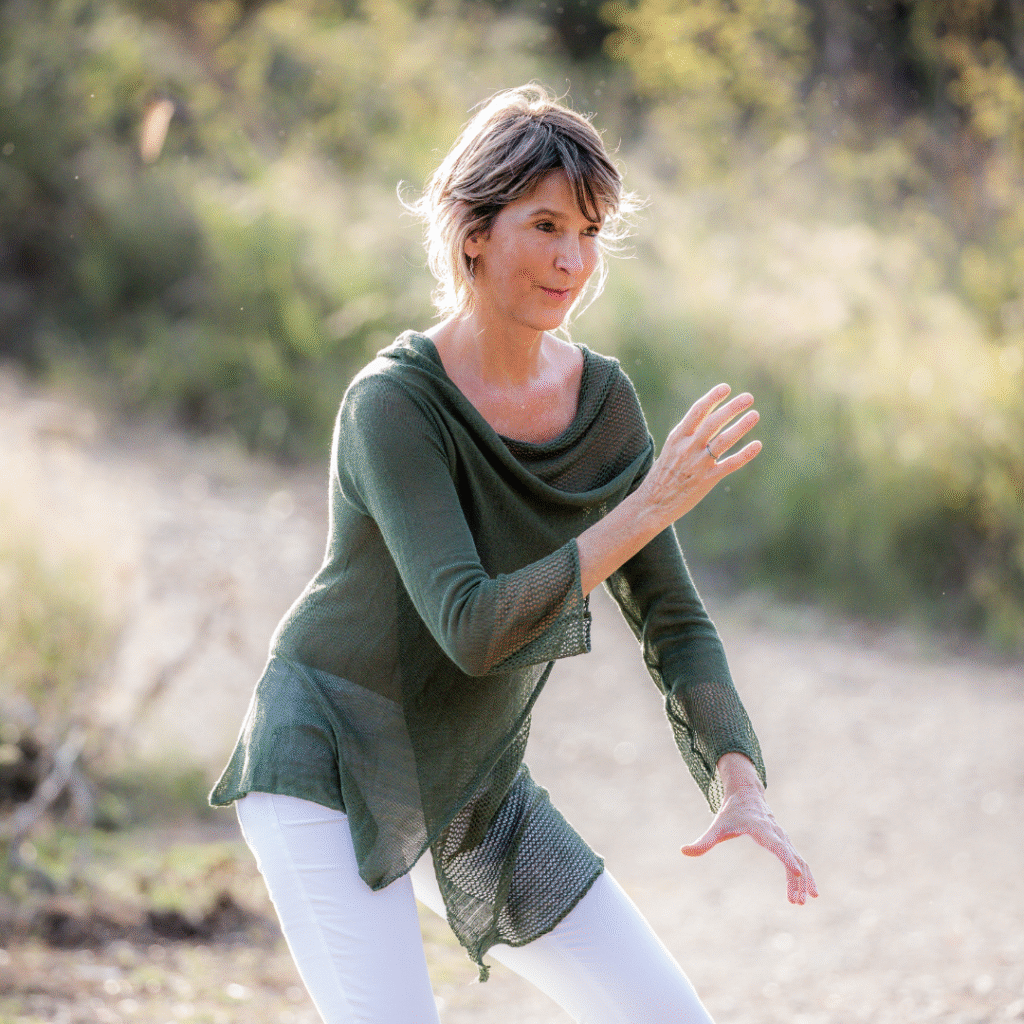
Tai chi chuan is an ancient Chinese martial art and exercise practiced for both health and self-defense. It is characterised by slow, flowing, and rhythmic movements, deep breathing, and the careful coordination of body and mind to promote relaxation, concentration, and overall well-being.
It is based on the philosophy of harmonising Yin and Yang in the body and is a meditative practice that combines slow-motion exercise with martial applications
The gentle, continuous movements help to improve flexibility, balance, and mobility also promoting relaxation, calm breathing, and the circulation of blood and vital energy (qi). It involves exercises for strengthening, especially the legs, to create a solid foundation and groundless.
Mindfullness
Although the practice of mindfulness has recently being integrated in the western medical and psychological clinics, it is actually an ancient system which has been at core of Chinese Medicine for over 2500 years.
In Chinese medicine, the heart is more than just a physical organ—it is the spirit-mind that governs our emotional life, our consciousness, and our capacity to feel calm and connected.
The Heart Qi manages the body’s present connection to time and space. If the “being in the moment” is disrupted, then the heart Qi is blocked and anxiety, restlessness, insomnia, or even palpitations occur.
This is tracked and treated through the Chinese Medicine understanding of Qi. Through various techniques of relaxation, posture, movement, breathing and awareness, the holistic physical therapy offers a powerful way to soothe the Shen, regulate the nervous system, and restore inner balance.
When we access this body/mind connections, we experience that the best place to be is exactly where we are.